
Air Duct Cleaning After a Renovation in Las Vegas

Renovation work generates dust and debris that travels beyond the room where the work takes place. Drywall dust, sawdust, and demolition debris get pulled into the HVAC system throughout a project, particularly if the system continues running during the work. Under EPA's Renovation, Repair, and Painting rule, any project that disturbs more than six square feet of interior painted surface in a home built before 1978 is considered significant enough to trigger lead-safe work requirements, a benchmark that reflects how much dust even a moderate renovation can generate.
This article covers how renovation dust reaches the ductwork, what it means for indoor air quality, and when a professional duct cleaning is warranted once the work is finished.
How Renovation Dust Gets Into Your Ducts
- Return vents pull in nearby dust. If a return vent is anywhere near the renovation area, it acts like a vacuum every time the system runs, pulling drywall dust and fine particles directly into the ductwork.
- Open floor and ceiling work exposes ducts directly. Renovations that involve removing drywall, flooring, or ceiling sections can expose sections of ductwork to debris that would normally never reach it.
- Running the HVAC system during the project spreads dust further. Keeping the AC or heat on for comfort while work is happening circulates whatever is airborne through the whole system, not just the room being renovated.
- Demolition debris settles into open duct runs. Larger renovations that involve tearing out walls or ceilings can send heavier debris, not just fine dust, into any exposed ductwork nearby.
Which Types of Renovations Affect Ductwork the Most
Not all renovation projects carry the same risk to your HVAC system. The scope and location of the work matter more than the size of the budget.
- Flooring replacement generates fine dust from sanding, cutting, and adhesive removal, and often takes place in rooms with nearby return vents.
- Kitchen and bathroom remodels frequently involve relocating or modifying ductwork itself, particularly when a layout changes, which introduces both debris and the possibility of an improperly resealed connection.
- Whole-home renovations and additions carry the highest risk, since they typically involve extended construction timelines, multiple trades, and ductwork that may be exposed for weeks rather than days.
- Cosmetic work, such as painting or replacing fixtures without disturbing walls or flooring, generates comparatively little duct-related debris and usually doesn't warrant more than a filter check afterward.
Protecting Your Ductwork Before Renovation Work Begins
Some of the dust that ends up in ductwork after a renovation is preventable with basic precautions taken before the work starts.
- Seal supply and return vents in the work area with plastic sheeting and tape before demolition or sanding begins. This is a standard practice for contractors experienced with occupied-home renovations, though it's worth confirming it will actually happen rather than assuming it.
- Turn off the HVAC system during heavy dust-generating work, such as drywall sanding or demolition, rather than running it for comfort. The short-term discomfort is generally worth avoiding weeks of duct contamination.
- Change the air filter partway through longer projects, not just at the end. A filter that's overwhelmed partway through a multi-week renovation stops doing its job effectively for the remainder of the project.
- Ask your contractor directly what dust containment measures they use. Reputable contractors doing work in occupied homes typically have a standard process for this and should be able to describe it clearly.
Renovating an Older Las Vegas Home? Watch for Lead Dust
If your home was built before 1978, renovation work carries an added consideration beyond ordinary dust. The EPA's Renovation, Repair, and Painting rule exists specifically because sanding, cutting, or demolition in a pre-1978 home can release lead-based paint dust, which is harmful to both adults and children, especially young kids and pregnant women. While much of downtown and central Las Vegas has older housing stock from this era, the rule applies to any home of that age regardless of location. If your renovation disturbed painted surfaces in an older home, it's worth confirming with your contractor whether lead-safe practices were followed, and treating a post-renovation duct cleaning as more than just a dust cleanup.
Signs Your Ducts Need Cleaning After a Renovation
- A fine layer of dust reappearing on furniture within days of cleaning, weeks after the project ended
- A musty or dusty smell when the HVAC system turns on
- Visible dust buildup around vent covers near the renovated area
- Allergy or respiratory symptoms that seem to have started or worsened since the renovation
- A noticeably dirtier air filter than usual since the work began
When Renovation Work Modifies the Ductwork Itself
Some renovations go beyond generating dust nearby and actually involve disconnecting, relocating, or resizing ductwork, most commonly during kitchen remodels, room additions, or layout changes that affect where vents need to be. This introduces a different risk than dust alone: a duct joint that isn't resealed correctly, or a run that was temporarily capped and not properly reconnected, can create a leak that pulls in attic or wall cavity air every time the system runs. This kind of issue often isn't obvious right away. It tends to show up later as reduced airflow in the renovated area, higher energy bills, or a return of dust and debris weeks after the project was supposedly finished. If your renovation involved any physical changes to the ductwork, it's worth having the connections inspected specifically, not just having the ducts cleaned.
What to Do Once the Renovation Is Finished
- Replace the air filter before doing anything else. A filter that's been catching renovation dust for weeks is likely overdue, and it's the fastest way to stop more debris from getting pulled back into the system. Our air filter replacement service can help you figure out the right filter for ongoing use.
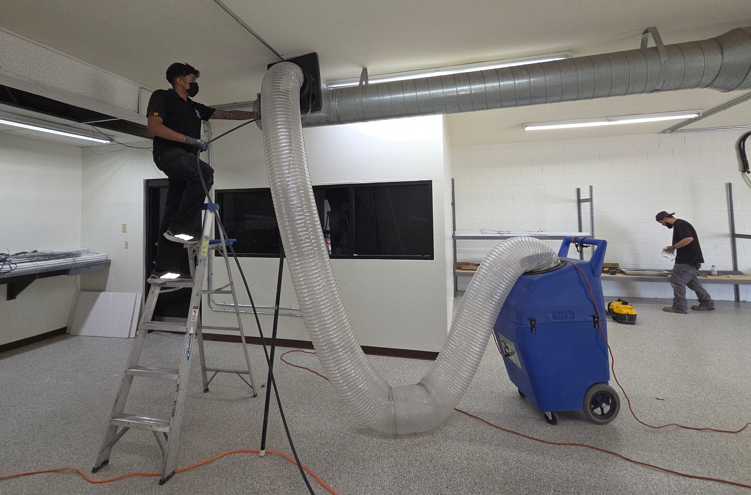
- Have the ductwork professionally cleaned, especially near the renovated area. Vacuuming and dusting the room itself won't touch what's already settled inside the ducts.
- Check for mold if the renovation involved plumbing or water exposure. Renovations that touch bathrooms, kitchens, or involve any water line work can introduce moisture into wall cavities or ductwork. If you notice a musty smell that doesn't go away with a filter change, our mold removal team can determine whether that's actually what you're dealing with.
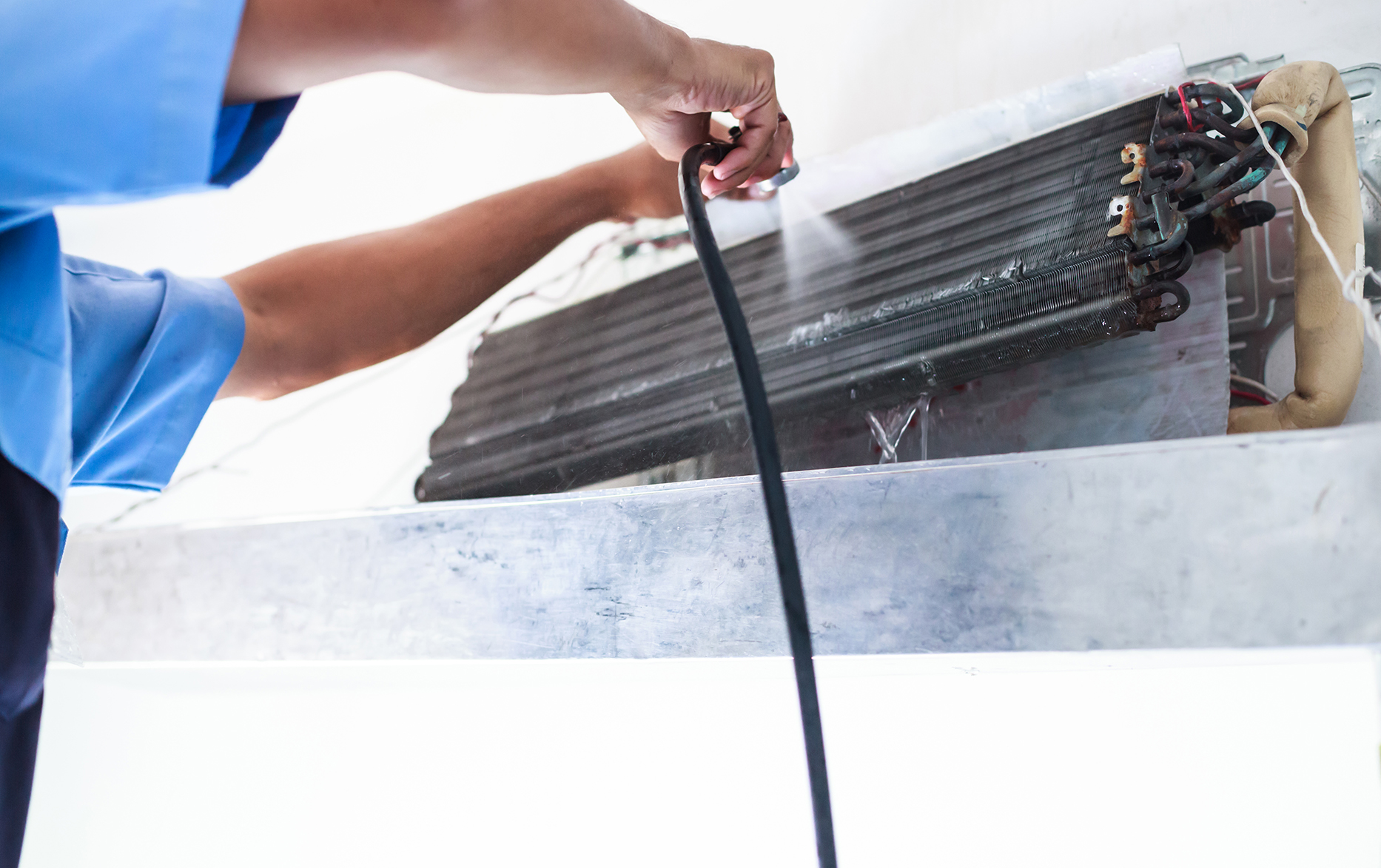
- Have the HVAC system itself inspected if it ran throughout the project. A system that operated during heavy dust exposure may need more than duct cleaning. If it's been struggling since the renovation, our HVAC repair team can check whether components like the coil or blower took on more debris than the ductwork alone.
Commercial Renovations Need Duct Cleaning Too
Commercial renovations come with the same issue, often at a larger scale. Office buildouts, retail remodels, and restaurant renovations all generate dust that a shared HVAC system will distribute throughout the space once it's back in daily use. If you're finishing up a commercial renovation, our commercial air duct cleaning team can clear the system out before employees or customers are back in the building full time.
Can You Just Vacuum It Out Yourself?
It's tempting to reach for a shop vac and handle the visible dust around vent covers, but that only addresses what you can see and reach. Ductwork runs through walls, ceilings, and attics in sections a household vacuum was never built to access, and renovation debris settles well past the first few inches behind a register. Trying to DIY a post-renovation cleanup usually means the dust closest to the vent looks better while everything further into the system stays exactly where it was, waiting to get stirred loose again the next time the blower kicks on. The National Air Duct Cleaners Association (NADCA) recommends professional equipment built to reach the full length of a duct run, not just the parts visible with a flashlight.
How Renovation Duct Cleaning Differs From a Routine Cleaning
A standard duct cleaning deals with years of ordinary accumulation: household dust, pet dander, and everyday debris that builds up slowly over time. Post-renovation cleaning is dealing with something more concentrated and often coarser, fresh drywall dust, sawdust, and construction debris that arrived over a much shorter window but in much larger quantities. That difference matters because a system that just went through a renovation may need more thorough attention to the areas closest to the work, not just a general pass through the whole house.
Las Vegas homes already deal with more airborne dust than most cities, thanks to the surrounding desert and low humidity that keeps fine particles suspended longer instead of settling quickly. Add a renovation on top of that baseline dust load, and the ductwork ends up working overtime just to keep circulating air that's noticeably dirtier than what the system was designed to handle long-term. That combination is part of why a lot of Las Vegas homeowners notice dust problems getting worse, not better, in the weeks right after a renovation wraps up.
FAQ
How long after a renovation should I wait before cleaning the ducts?There's no benefit to waiting. Once the renovation dust has settled and any final construction cleanup is done, scheduling a duct cleaning right away prevents that dust from continuing to circulate.
Can a small renovation, like one bathroom, really affect the whole house's air ducts?Yes, if a return vent is anywhere near the work or the HVAC system ran during the project. Dust doesn't stay contained to one room once it's pulled into shared ductwork.
Do I need duct cleaning if I kept the HVAC system off during the renovation?The risk is lower, but not zero. Dust can still settle into any exposed ductwork sections even without the system actively pulling air through them, especially during longer projects.
Should I be worried about lead dust in my home's renovation?Only if your home was built before 1978. If that's the case and painted surfaces were disturbed during the work, it's worth confirming lead-safe practices were used and considering additional testing.
Is duct cleaning enough, or do I need the whole HVAC system checked?It depends on how long the system ran during the renovation and how much debris was generated. For minor projects, duct cleaning alone is usually sufficient. For larger renovations, especially ones involving demolition, a full system check is worth doing at the same time.
Air Duct LV Heating & Cooling is IICRC certified and BBB A+ rated, serving Las Vegas, Henderson, Summerlin, and North Las Vegas. Call (702) 670-1532 to schedule a free quote today.


Available Around the Clock
We Are Available 24/7 To Take Emergency HVAC Appointments In Las Vegas, NV
Emergency Air Duct Cleaning Company · Same-day service across all of Las Vegas Valley