
Does a Home Warranty Cover HVAC in Las Vegas?
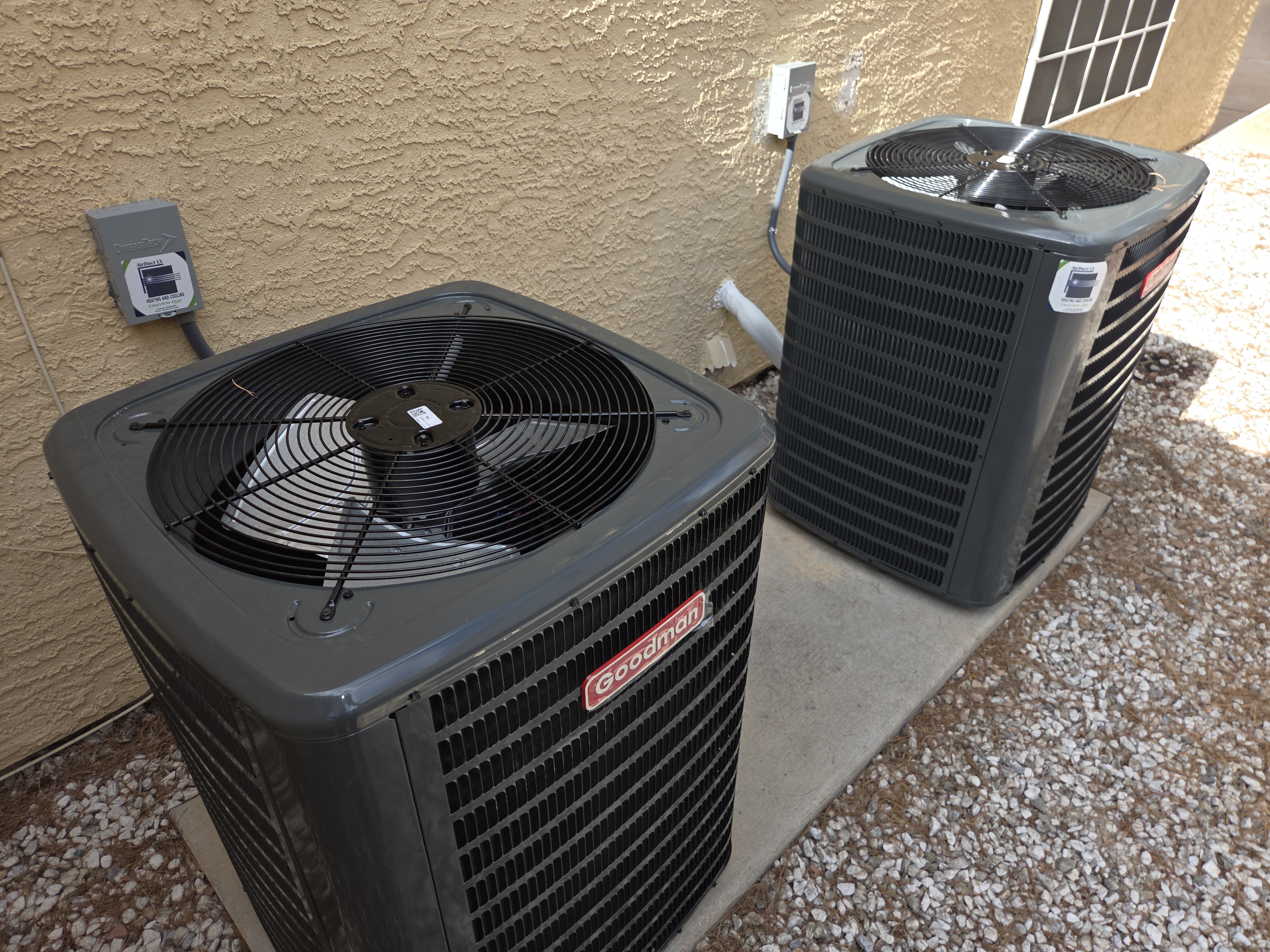
Most home warranties cover HVAC repairs, but the coverage is usually narrower than homeowners expect. A typical plan pays for parts that fail from normal wear, up to a set dollar limit, after you pay a service fee for each claim. It often leaves out problems caused by missed maintenance and issues that existed before the plan started. When a system cannot be repaired, the plan may also cover only part of a new HVAC installation. The Federal Trade Commission points out that a home warranty is really a service contract that costs extra. It also warns that some plans cover only part of a product or duplicate coverage you already have.
In Las Vegas, these details matter because your heating and cooling system works hard in both seasons. An air conditioner that fails in a summer heat wave or a furnace that stops on a cold winter night needs a fast answer, not a surprise denial. In this guide, we explain how a home warranty works for HVAC and which parts it usually covers. We also explain what it often excludes, how much it pays, and how to file a claim that gets approved.
How a Home Warranty Works for Your HVAC System
A home warranty is a contract you buy from a home warranty company, usually for one year at a time. You pay a monthly or yearly fee, and when a covered part breaks, you call the company instead of calling an HVAC contractor directly. The company sends a technician from its own network, and you pay a service fee for that visit. If the repair is approved, the company pays for the covered parts and labor, up to the limits in your contract.
In Nevada, home warranty companies are regulated as service contract providers. According to the Nevada Division of Insurance, service contracts are not insurance, but the Division licenses and regulates the companies that sell them. The Division also offers an online lookup tool where you can check whether a provider is licensed and read the contracts approved for use in the state. Checking this before you buy helps you avoid companies that are not allowed to sell plans in Nevada.
HVAC Parts a Home Warranty Usually Covers
Most home warranty plans that include heating and cooling cover the main parts that wear out with normal use. On the cooling side, that usually includes the compressor, the condenser, the evaporator coil, the outdoor fan motor, and electrical parts like capacitors and contactors. On the heating side, coverage usually includes the furnace, its burners and igniter, and the blower motor. Thermostats are often covered as well.
Some parts depend on the plan you choose. Ductwork, refrigerant, and condensate drain lines may be included in one plan and left out of another. Ductless mini splits and heat pumps are covered by many companies, but some limit the number of units per home. Window air conditioners and portable units are usually excluded. Because coverage varies so much, read the list of covered parts in your contract and assume that anything not listed is not covered.
What Home Warranties Usually Exclude on HVAC Systems
The exclusions in a home warranty contract decide most HVAC claims. The most common one is a lack of maintenance. Many companies can deny a claim if the system was not serviced regularly, and some ask for proof, like receipts from yearly tune-ups. Problems that existed before your plan started are also excluded, which is why a claim filed soon after buying a plan often gets extra review.
Several other exclusions come up often with HVAC systems. Many plans do not cover a system whose indoor and outdoor units are mismatched in size or brand. Costs to bring equipment up to current code, such as new electrical work or permits, are often excluded. Some plans also exclude the cost of a crane to lift a rooftop unit, which matters for Las Vegas homes and townhomes with package units on the roof. Damage from storms, fire, or power surges is usually treated as sudden damage rather than wear, so it falls outside a home warranty. The chart below sums up what is usually covered, what depends on your plan, and what is usually excluded.
A home warranty also usually steps aside when another warranty applies. If your HVAC system is still under the manufacturer’s warranty, the home warranty company may send you to the manufacturer for the covered parts. In that case, the home warranty may cover only the labor or nothing at all, depending on your contract.
How Much a Home Warranty Pays Toward HVAC Repairs and Replacement
Every home warranty has limits on how much it pays. Most plans set a dollar cap for each system, and HVAC caps often fall somewhere between about $2,000 and $6,500. Some plans also limit what they pay for specific parts, like refrigerant or ductwork. On top of the monthly or yearly fee, you usually pay a service fee for each claim, often around $75 to $125.
For repairs, these limits are usually enough. A failed capacitor, a fan motor, or a blower motor often costs less than the cap, so the service fee is your main expense. A full replacement is different. If the company decides your HVAC system cannot be repaired, it may replace the system or offer you a cash payment instead. In either case, the payment may not cover the full cost of a new system. This is especially likely if the cap is low or the plan reduces the payout based on the system’s age. The example below shows how the cost can split.
Ask the company how it handles replacements before you need one. Find out whether it pays for the full installation or only the equipment, and whether it offers a cash option. Also ask whether you can choose the size and efficiency of the new system. These answers tell you how much you may still need to budget for a new system.
How a Home Warranty Compares to Other HVAC Coverage
A home warranty is one of four kinds of coverage that can apply to your HVAC system, and each one pays for different problems. A manufacturer’s warranty comes with new equipment and covers parts that fail because of a defect, usually for several years. Many brands extend it when you register the equipment. It rarely covers labor. Homeowners insurance covers sudden damage from events like fire, storms, or a lightning strike, but not normal wear and tear. A builder warranty comes with many newly built homes, and the FTC notes that its coverage for HVAC systems generally lasts about two years.
These types of coverage can work together. In a newly built Las Vegas home, the builder warranty and the manufacturer’s warranty may cover most HVAC problems for the first few years. In an older home, the manufacturer’s warranty has often expired, and a home warranty can help with wear and tear repairs. Homeowners insurance stays in place for sudden damage in either case.
How to File an HVAC Home Warranty Claim
A smooth claim starts with knowing your contract before something breaks. Keep a copy of your plan, your maintenance receipts, and your HVAC system’s model and serial numbers in one place. When a problem starts, follow these steps.
- Check your contract. Make sure the failed part is listed as covered and note the cap for HVAC repairs.
- Call the home warranty company first. Most plans require you to file the claim before any work is done. Paying a contractor on your own usually means the company will not reimburse you.
- Pay the service fee and meet the technician. The company sends a contractor from its network to diagnose the problem.
- Ask for the diagnosis in writing. Get the cause of the failure, the parts needed, and the decision on coverage in writing, and keep notes on every call.
- Ask about timing for urgent repairs. If your home has no cooling in summer or no heat in winter, ask the company how quickly it can complete the repair.
If your claim is denied, ask the company to explain the exact reason in writing and point to the part of the contract it is using. The FTC also recommends putting your repair requests in writing so you have a record. If you believe a Nevada provider is not following its contract, you can contact the Nevada Division of Insurance. A licensed HVAC company can also inspect the system and give you a second opinion. Our HVAC repair team can explain what failed and what it takes to fix it.
How Regular HVAC Maintenance Protects Your Warranty Coverage
Maintenance is the part of HVAC coverage you control. Most home warranties do not pay for routine tune-ups, but many can deny a claim if the system was not maintained. Manufacturer warranties can also require proof of regular service. A yearly AC tune-up before summer and a heating check before winter give you a dated record that the system was cared for.
Simple habits at home help as well. Changing your air filter every 30 to 60 days during heavy-use months keeps dust off the coil and the blower. Warranty companies often look at these parts during a claim. If you would rather not keep track of filter changes, our air filter replacement services in Las Vegas can handle them on a regular schedule. Keep every receipt, since those records are your best answer if a claim is questioned.
Whether a Home Warranty Is Worth It for Your HVAC System
A home warranty can make sense if your HVAC system is out of its manufacturer warranty and a surprise repair bill would be hard to cover. It can also help in the first year after you buy an older home, when you do not yet know the condition of the equipment. Some sellers include a home warranty in the sale for this reason.
A home warranty may be less useful if your HVAC system is new and still under the manufacturer’s warranty. It may also be less useful if you can set aside the same money for repairs yourself. The FTC suggests asking a few questions before you buy. Find out whether the plan is likely to save you money once fees and service charges are added, and what limits and exclusions apply. Also look at how the claims process works and what other customers say about the company. Comparing these answers with the age and condition of your HVAC system helps you decide whether a plan fits your situation.
Frequently Asked Questions About Home Warranty HVAC Coverage
Does a home warranty cover an old HVAC system?
Many home warranty companies cover HVAC systems regardless of age. However, an older system is more likely to have problems that the company treats as pre-existing or caused by poor maintenance. Some plans also reduce the payout for older equipment, so read how your plan handles age before you buy.
Can I choose my own HVAC contractor with a home warranty?
It depends on the plan. Most home warranty companies send a contractor from their own network. Some plans let you request an outside contractor or reimburse you for one, but only if the company approves it before the work starts.
Does a home warranty cover refrigerant for my air conditioner?
Some plans cover refrigerant, but many limit how much they pay for it. Older systems that use R-22 can be expensive to recharge because R-22 is no longer made in the United States. Some plans exclude R-22 or cap the cost. Check the refrigerant limits in your contract if your system was installed before 2010.
Is there a waiting period before HVAC coverage starts?
Many home warranty plans have a waiting period after you buy them before you can file a claim. This helps the company avoid paying for problems that already existed. Check your contract for the exact start date, and have your system inspected early so you know its condition.
Does a home warranty cover ductwork?
Some plans cover ductwork, but many limit it or leave it out. Where ductwork is covered, the plan usually pays for ducts that fail from normal wear. Damage, poor installation, and changes needed for a new system are often excluded. If your ducts run through a hot Las Vegas attic, check this part of the contract carefully.
Does a home warranty cover mini splits?
Many home warranty companies cover ductless mini splits, but some limit the number of indoor units or charge extra for them. Check how your plan counts mini split units before you file a claim. If you are adding mini split AC installation to your home, ask the installer about the manufacturer’s warranty and how to register it.
Know Your HVAC Coverage Before Something Breaks
A home warranty can help pay for HVAC repairs in Las Vegas, but it works best when you understand its limits before you need it. Read the list of covered parts, the dollar caps, and the exclusions, and keep a record of regular maintenance. With that preparation, a summer AC breakdown or a winter furnace problem turns into a claim you can handle, not a surprise you have to fight.
Air Duct LV Heating & Cooling is IICRC certified and BBB A+ rated, serving Las Vegas, Henderson, Summerlin, and North Las Vegas. Call (702) 670-1532 to schedule a free quote today.


Available Around the Clock
We Are Available 24/7 To Take Emergency HVAC Appointments In Las Vegas, NV
Emergency Air Duct Cleaning Company · Same-day service across all of Las Vegas Valley