
When to Replace Your HVAC System in Las Vegas
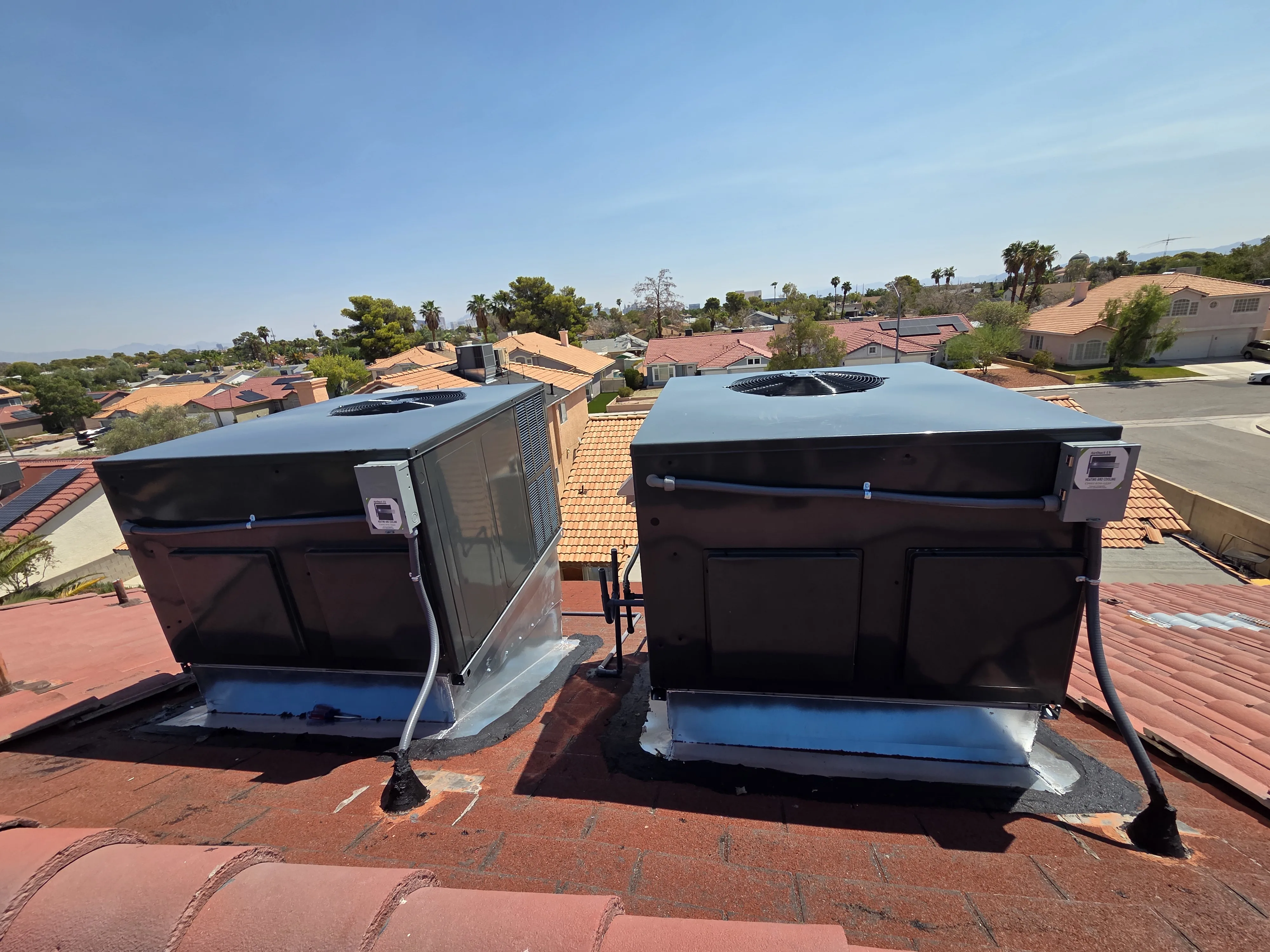
In Las Vegas, the right time to replace an air conditioner or heat pump is usually after about 10 to 15 years. For a gas furnace, it is usually after about 15 to 20 years. ENERGY STAR suggests considering a replacement once a heat pump or air conditioner passes 10 years, or once a furnace passes 15 years. The best months to do the work here are in spring and fall, before the summer heat or the winter cold puts your system under its heaviest load.
Timing is what decides whether a replacement feels like a planned upgrade or an emergency. Replace too early, and you give up years of good service. Wait too long, and the system often fails on the hottest or coldest day of the year, when HVAC companies are busiest. In this guide, we explain the right age to replace each type of equipment and the moments when a repair should become a replacement. We also cover the best months to schedule the work, the life events that make good timing, and how far ahead to plan.
The Right Age to Replace an Air Conditioner, Heat Pump, or Furnace in Las Vegas
A central air conditioner in Las Vegas usually needs to be replaced after about 10 to 15 years. That is a few years sooner than the 15 to 20 years often quoted nationally. Cooling equipment here runs for long hours from late spring through early fall, and that extra runtime wears it out faster. Ductless mini splits often last a little longer when they are sized and installed correctly.
Heat pumps tend to need replacing at the shorter end of the same range, around 10 to 14 years. A heat pump cools your home in summer and heats it in winter, so it builds up more hours each year than an air conditioner that only cools. Gas furnaces are the exception in Las Vegas. Because winters are mild and the furnace runs only a few months a year, it often lasts 15 to 20 years or more.
These ages tell you when to start planning, not the exact day the equipment will fail. A well-maintained system can run past them, and a neglected one can fail years earlier. The practical approach is to start watching your system closely once it reaches 10 years, and to plan the replacement before it reaches the end of its range.
When Warning Signs Mean It Is Time to Replace Your HVAC System
Once your system is past 10 years, its condition tells you when the right time has arrived. A power bill that keeps rising while your usage stays the same means the equipment is losing efficiency. According to ENERGY STAR, rooms that stay too hot or too cold, excess dust, and humidity problems can also point to aging equipment or leaky ducts. In Las Vegas, these problems usually show up first on the hottest summer afternoons or the coldest winter nights, when the system is pushed hardest.
Repairs are the other clue. If you have needed two or more major repairs in a couple of years, the system has likely reached the stage where problems come faster and cost more. Grinding noises, a burning smell, or a system that turns on and off every few minutes are further signs of worn parts. One sign on its own may only need a repair. When several appear together on a system that is more than 10 years old, the time to replace it has usually come.
When a Repair Should Become a Replacement
The moment you get a large repair quote is often the moment to decide on a replacement. Two rules of thumb help with that decision. The 50 percent rule says to consider replacing the system when one repair costs close to half the price of a new one. The $5,000 rule says to multiply the age of the system by the repair cost. If the result is more than 5,000, replacement usually makes more sense.
The type of part matters as much as the price. Replacing a capacitor, a contactor, or a fan motor is normal at any age, and it usually makes sense to fix them. A failed compressor, a leaking indoor coil, or a cracked furnace heat exchanger on an older system is different. These are the most expensive parts, and fixing one still leaves every other aging part in place. A cracked heat exchanger is also a safety risk, because it can let carbon monoxide into your home. The flowchart below shows how to make the call when a repair comes up.
If the repair is small and the system is older, it can also make sense to repair it now and replace it later at a better time. A short-term fix in July can carry you to fall, when you have time to compare options. A technician from our HVAC repair team can tell you whether a repair is a reasonable bridge or whether other parts are close to failing.
The Best Time of Year to Replace HVAC in Las Vegas
The best time to replace your HVAC system in Las Vegas is in spring, from about March through April, or in fall, from about October through November. During these months, the weather is mild enough that your home stays comfortable while the old system is out. HVAC companies are also less busy, so it is easier to compare quotes and schedule the work on a day that suits you.
Spring is the best choice if your air conditioner is the part you are worried about. A new system installed in March or April is ready before the first triple-digit days arrive. Fall is the best choice if your furnace or heat pump is aging, since the new equipment is in place before the first cold nights. Fall also works well for an air conditioner that barely made it through summer.
Summer is the busiest season for HVAC companies here, because air conditioners fail most often under long runtimes in extreme heat. Replacing a system during a heat wave usually means a quick decision, fewer choices, and a hot house while you wait. Winter cold snaps can create the same rush for furnaces and heat pumps. If your system is over 10 years old and showing warning signs, the next spring or fall is the window to aim for.
Replacing Your HVAC System Before It Breaks Down
The best time to replace an aging HVAC system is usually before it fails completely. When you replace on your own schedule, you can pick the month and compare several quotes. You can also choose the right equipment without the pressure of a hot or cold house. When you wait for a breakdown, the timing is decided for you, and it is usually during the hottest or coldest stretch of the year.
Replacing early does not mean replacing too soon, though. If your system is under 10 years old, runs well, and has a good maintenance history, keeping it is usually the right choice. An AC tune-up before summer and a heating check before winter show you how much life the equipment has left. Those visits help you decide whether this is the year to replace it or whether it can safely wait another season.
When to Replace Your Furnace and AC at the Same Time
If your furnace and air conditioner are both more than 10 to 15 years old, the best time to replace them is together. The two share the same blower and ductwork, and they work most efficiently as a matched set. One installation also costs less in labor than two separate jobs a few years apart.
The timing changes when the two parts are different ages. If your air conditioner is only a few years old but your furnace is 20 years old, replacing just the furnace is often the right move. On the cooling side, the outdoor unit and the indoor coil should usually be replaced at the same time, because they are designed as a matched pair. A heat pump can also replace both a furnace and an air conditioner in one step, which is worth considering when both are due at once.
Life Events That Are a Good Time to Replace Your HVAC System
Some moments in a homeowner’s life make a replacement easier or more valuable. Buying an older home is one of them. If the home inspection shows an air conditioner that is 15 years old or more, plan the replacement early. Ideally, the new system should be in before your first Las Vegas summer in the house. Some buyers also use the age of the system in their price negotiations.
Selling a home is another moment to think about timing. Buyers and inspectors often ask about the age of the air conditioner, and an old system can affect offers or lead to repair requests. If your system still works well, a recent tune-up report may be enough. If it is near the end of its life, replacing it before listing can remove a point of concern for buyers.
Home projects can also shift the timing. A remodel or an addition changes how much heating and cooling your home needs, so it is a natural time to size a new system correctly. Upgrading your attic insulation lowers the load on your HVAC system, which can mean a smaller, less expensive replacement if you do the insulation first.
How Refrigerant Rules Affect the Timing of Your Replacement
The refrigerant in your system can move the timing of a replacement forward. Many systems installed before 2010 use R-22, a refrigerant that is no longer made or imported in the United States, according to the EPA. You can still use and service an R-22 system, but only recycled or older supplies are available. If an R-22 system develops a leak that keeps coming back, that is usually the right time to replace it instead of recharging it again.
Newer refrigerant rules do not require you to replace a working system. Under EPA rules, new split systems installed after January 1, 2026 must use a refrigerant with a lower impact on the climate. If you have a system that uses R-410A, you can still repair it and replace major parts. There is no need to replace it early because of this change, and you can make the switch whenever your system reaches the end of its life.
How Far Ahead to Plan an HVAC Replacement
The best time to start planning is when your system reaches about 10 years old. From that point, schedule a yearly inspection, keep an eye on your bills, and start setting money aside, even if the system still runs well. That way, a major breakdown becomes a planned project instead of an emergency expense.
Once you decide to replace, give yourself a few weeks before the season changes. That leaves time for a home visit, a load calculation that sizes the new system correctly, and quotes from at least two or three companies. Compare quotes that include the same equipment size, efficiency level, and scope of work, so the timing of your decision is based on fair numbers. The federal Energy Efficient Home Improvement Credit ended for equipment installed after December 31, 2025. Check with your utility and your installer for any current rebates before you buy. When you are ready, our HVAC installation team can help you plan the timing and the equipment together.
Frequently Asked Questions About When to Replace HVAC
Should I replace a 20-year-old air conditioner that still works?
A 20-year-old air conditioner is well past its expected life in Las Vegas, so it is wise to plan a replacement even if it still runs. Equipment that old likely uses R-22 refrigerant and uses much more power than a new system. You do not need to rush, but scheduling the replacement for spring or fall avoids being caught by a breakdown in summer.
What is the 20-degree rule for HVAC?
The 20-degree rule is a quick way to check how well an air conditioner is cooling. The air coming out of your supply vents should usually be about 15 to 20 degrees cooler than the air going into the return grille. A much smaller difference can point to low refrigerant, a dirty coil, or a worn compressor, so a technician should confirm the cause.
How long does an HVAC replacement take?
A straightforward replacement of a central air system usually takes a day or two. It can take longer if your ducts, electrical panel, or refrigerant lines need changes, or if the equipment sits on the roof. Your installer should give you a timeline before the work starts.
How long will a new HVAC system last in Las Vegas?
A new air conditioner or heat pump in Las Vegas usually lasts about 10 to 15 years. A new gas furnace often lasts 15 to 20 years or more. Regular tune-ups, clean filters, and a well-insulated home help the equipment reach the longer end of that range.
Will a new HVAC system lower my power bill?
In most cases, yes, especially if your current system is more than 10 years old. ENERGY STAR notes that certified equipment can cut heating and cooling costs by up to 20 percent compared with older units. Your actual savings depend on your home’s insulation, ductwork, and thermostat settings.
How much notice do HVAC companies need to schedule a replacement?
It depends on the season. In spring and fall, many companies can schedule a replacement fairly quickly after you approve the quote. In summer and during winter cold snaps, demand is higher and waits can be longer, which is one more reason to plan your replacement for the milder months.
Plan Your HVAC Replacement Around the Right Time
In Las Vegas, plan to replace your air conditioner or heat pump after about 10 to 15 years and your furnace after about 15 to 20 years. When warning signs add up or a major part fails on an older system, that is usually the moment to replace it rather than repair it. Schedule the work for spring or fall, and start planning a few weeks ahead, so the timing stays in your hands.
Air Duct LV Heating & Cooling is IICRC certified and BBB A+ rated, serving Las Vegas, Henderson, Summerlin, and North Las Vegas. Call (702) 670-1532 to schedule a free quote today.


Available Around the Clock
We Are Available 24/7 To Take Emergency HVAC Appointments In Las Vegas, NV
Emergency Air Duct Cleaning Company · Same-day service across all of Las Vegas Valley