







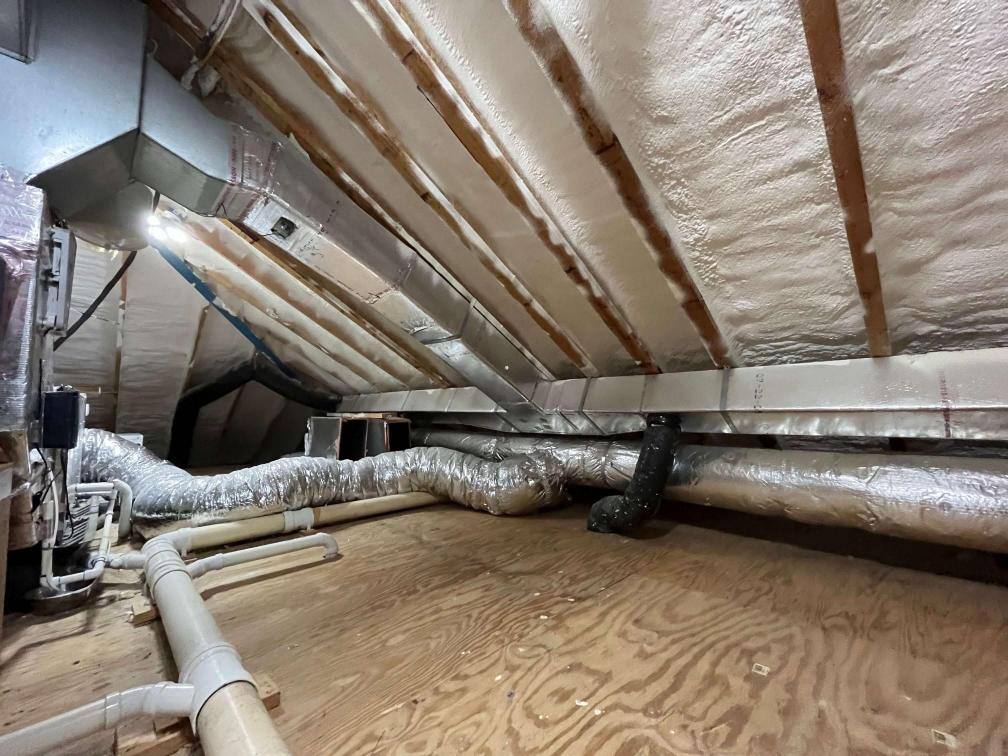
After getting your air ducts cleaned, you might think the job’s done. But sealing them afterward can make a big difference in how your HVAC system performs and how clean your indoor air stays. This blog breaks down why duct sealing matters after cleaning, how it can improve energy efficiency, and when it’s the right time to schedule it. If you want better airflow, lower energy bills, and fewer allergens floating around your home, keep reading.
Clean Ducts? Great — But What About Sealing Them?
So you’ve had your ducts cleaned — that’s a smart move for better air quality and system performance. But here’s something many homeowners overlook: sealing those ducts right after cleaning. Why should you seal ducts after cleaning? Because even clean ducts can leak air if there are gaps, cracks, or loose joints. And when your conditioned air escapes, your HVAC system works harder than it needs to.
Duct sealing after cleaning helps lock in the benefits of your cleaning service. It prevents new dust and debris from entering through leaks and keeps your indoor air cleaner longer. Think of it like washing your car and then waxing it — one protects the work of the other.
Boosting Efficiency: What Sealing Can Do
If your heating or cooling bills seem higher than they should be, your ducts might be leaking. And yes, cleaning helps airflow, but sealing takes it a step further. Sealing your ducts can help your system deliver the right amount of air to each room without wasting energy.
So, does duct sealing improve HVAC efficiency? Absolutely. It helps reduce the workload on your unit, which can extend its life and save you money. You’ll get better temperature control, more even air distribution, and fewer hot or cold spots. These are just a few of the HVAC duct sealing benefits that come from a well-sealed system.
Breathe Easier: Less Dust, Fewer Allergens
Many people clean their ducts because of dust buildup or allergy concerns. But what if you could prevent dust and allergens from entering in the first place? Sealing your ducts can help you do just that.
Leaks in your ductwork can pull in dirt, mold spores, and allergens from areas like attics, crawl spaces, or basements. Once in the ducts, these contaminants get pushed out into your living areas. Sealing those leaks helps block that pathway. So yes, duct sealing can reduce allergens and dust, making your home a much more comfortable place to live, especially for those with allergies or asthma.
Timing Matters: When Should You Seal?
You might be wondering, “When should I schedule duct sealing after cleaning?“ The answer is — as soon as possible. Right after cleaning, your ducts are at their best. This is the perfect time to seal up any leaks while everything is still clear and accessible.
If you wait too long, dust and debris can re-enter the system, making it harder to spot or seal leaks properly. Plus, sealing right away helps you get the most out of both services — better air quality and energy savings that last.
How Long Does Sealing Last?
A common question is, “How long does duct sealing last?” The good news is: it’s not something you’ll need to do every year. Quality duct sealing typically lasts 10–15 years, especially if professionals do the job and your ducts are in good shape.
Of course, over time, natural wear and tear or changes in your home (like renovations or shifting foundations) might affect the seals. But generally speaking, once you’ve had the leaks fixed with a leaky duct repair, you’re good to go for quite a while.
Smart Tips for Long-Lasting Performance
Want to keep your ducts in top shape? Here are a few quick tips to keep your HVAC system running better, for longer:
- Have your ducts inspected every few years, even if you don’t notice obvious problems.
- After sealing, make sure your filters are clean and changed regularly.
- Keep an eye on your energy bills — a sudden spike might point to a leak or airflow issue.
- Ask your HVAC technician for air duct efficiency tips during regular maintenance.
Staying proactive can help you enjoy cleaner air and lower bills year-round.
Final Thoughts
Sealing your ducts right after cleaning isn’t just a smart add-on — it’s a way to protect your home’s comfort, air quality, and energy efficiency. Clean ducts are great, but sealed ducts are even better. You’ll enjoy fewer allergens, more consistent temperatures, and a heating and cooling system that doesn’t have to work overtime.
If you’ve already taken the step to clean your ducts, now is the perfect time to seal them.
Want professional help with sealing or cleaning? Reach out to Air Duct LV Heating & Cooling — they’ll make sure your ducts are clean, sealed, and working exactly as they should.
Related Stories
Stay Cool in the Desert: Expert HVAC Repair in Las Vegas with Air Duct LV
Living in Las Vegas means one thing for sure — you can’t afford to have
Aug
Why AC Leaks Happen—and How We Fix Them Fast
Few things are more frustrating than noticing water pooling near your air conditioner or finding
Jul
Aging Ductwork in Vegas Homes: Risks & When to Replace Instead of Clean
You probably don’t think much about your air ducts—until your home starts feeling less comfortable,
Jul
Duct Sealing Explained: Why It Matters Post-Cleaning
After getting your air ducts cleaned, you might think the job’s done. But sealing them
Jul